




Mold Cleanup Starts by Finding the Moisture
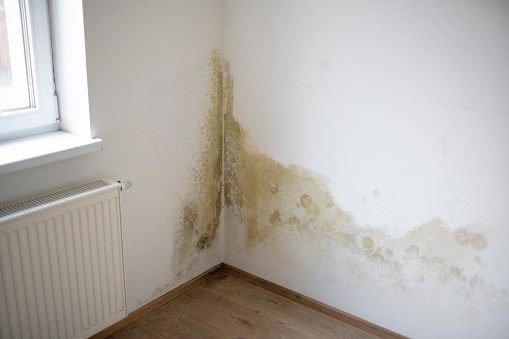
Visible mold is usually a sign that moisture has been affecting a material for longer than it should.
The source could be a plumbing leak, wet crawl space, roof problem, condensation, flooding or water that remained inside building materials after a previous loss. Cleaning the visible growth without understanding why the area became damp can leave the underlying problem unresolved.
Xtreme Restoration & Carpet Cleaning provides mold inspections, moisture assessments, professional mold remediation and post-remediation clearance testing in Somers for homes, rental properties, businesses and managed buildings.
We begin by inspecting the property and understanding its moisture history before recommending the work.
Depending on the conditions, that may include:
- Visual inspection
- Moisture readings
- Moisture mapping
- Review of previous leaks or water damage
- Limited investigation behind accessible finishes
- Air or surface sampling when the results will help answer a specific question
After remediation, we can also perform clearance testing to document the condition of the completed work area.
Our goal is to determine where the moisture came from, establish the extent of the affected materials, complete the remediation under appropriate controls and verify that the area is ready for the next stage of the project.
If an active plumbing leak, drainage problem, roof leak, wet crawl space or other source of moisture is still present, that condition needs to be corrected.
Removing mold while the building continues to get wet is not a complete solution.
Do Not Disturb a Large Mold-Affected Area
Cutting into a mold-affected wall or pulling up contaminated flooring may seem like the quickest way to see what is underneath.
It can also spread settled dust and contaminated debris into areas that were not previously part of the problem.
Avoid:
- Cutting mold-affected drywall
- Sanding contaminated wood
- Pulling out insulation without containment
- Tearing up affected carpet or flooring
- Scraping large areas of visible growth
- Painting over mold
- Caulking over contaminated surfaces
Proper controls should be established before affected materials are disturbed.
Keep children, pets and people with health concerns away from the work area. Anyone experiencing symptoms or concerned about an exposure should contact a qualified healthcare professional.
MOLD INSPECTION, REMEDIATION & CLEARANCE TESTING
Xtreme provides more than surface mold cleaning.
Our mold services for Somers properties include:
- Visual mold inspections
- Moisture mapping and assessment
- Air and surface sampling when appropriate
- Containment
- Negative-air control
- HEPA filtration
- Professional mold remediation
- Detailed cleaning
- Moisture verification
- Post-remediation clearance testing
The purpose of the inspection is to understand the building before determining the scope.
We evaluate where visible growth is located, what materials are affected, whether those materials remain damp and whether the problem appears to extend beyond the area that can be seen.
When testing adds useful information, air or surface samples can be collected for laboratory analysis.
After remediation, clearance testing can help document whether the treated area meets the criteria established for the project.

MOLD REMEDIATION FOR SOMERS HOMES, RENTALS & BUSINESSES
Mold remediation should match the actual conditions in the building.
A small area on an accessible surface is not the same project as mold underneath flooring, inside a crawl space or behind finished walls.
Before determining the scope, we consider:
- Location of the mold
- Extent of visible growth
- Suspected hidden growth
- Moisture source
- Materials involved
- Accessibility
- Previous water damage
- Whether materials can reasonably be cleaned
Some materials can remain in place and be cleaned.
Other porous or damaged materials may need to be removed under controlled conditions.
We would rather determine which approach is appropriate for the property than assume every mold problem needs the same treatment.
Mold After Water Damage
A mold problem often begins with a water problem.
Xtreme provides assessment and remediation after water losses involving:
- Broken pipes
- Plumbing leaks
- Appliance failures
- Roof leaks
- Flooding
- Water intrusion
- Incomplete structural drying
Water may move beneath flooring, behind walls, through insulation or into structural materials without remaining visible on the surface.
If mold develops after the original water loss, the remediation project needs to consider both the affected materials and any remaining moisture.
Xtreme can coordinate mold remediation with moisture detection, structural drying and other necessary water-damage work.
Basement & Crawl-Space Mold
Crawl spaces deserve special attention when mold is found elsewhere in a home.
Moisture underneath a building can affect structural materials before any obvious problem appears inside the living space.
Areas that may require evaluation include:
- Floor joists
- Subflooring
- Rim joists
- Foundation walls
- Insulation
- Plumbing penetrations
- Vapor-barrier areas
- Stored materials
- Adjacent wall assemblies
Possible contributing conditions may include groundwater, drainage problems, plumbing leaks, exposed soil, condensation or elevated moisture.
The goal is not simply to clean visible growth on the framing.
We also need to understand why the crawl space remained damp enough for the problem to develop.
Attic & Roof-Related Mold
Mold can also develop above the living space.
When roof decking, framing or insulation remains damp, an attic may require both remediation and investigation of the moisture source.
Conditions that can contribute include:
- Roof leaks
- Ice-related water intrusion
- Condensation
- Warm-air leakage
- Ventilation problems
- Wet insulation
- Previous roof damage
The location of the mold can provide clues, but it does not automatically identify the cause.
We evaluate the affected materials and surrounding conditions before establishing the work plan.
Mold Inspections & Testing
A mold inspection should produce useful information, not simply a long laboratory report.
We provide mold inspections for Somers properties involving:
- Visible mold growth
- Persistent musty odors
- Previous flooding
- Plumbing leaks
- Suspected hidden mold
- Crawl-space concerns
- Real-estate transactions
- Existing mold reports
- Post-remediation verification
Testing is not automatically required whenever mold is visible.
If the affected area and moisture source are clear, the work can sometimes be scoped without additional laboratory testing.
Sampling becomes more useful when the problem is hidden, the extent is unclear, different parties disagree about the conditions or documentation is needed for a property transaction.
Post-Remediation Mold Clearance Testing
Completing demolition and cleaning does not automatically mean the project is finished.
A post-remediation evaluation may include:
- Visual inspection
- Moisture verification
- Review of cleaned structural materials
- Air sampling
- Surface sampling
- Comparison with established project criteria
The purpose is to document the condition of the work area after remediation.
If independent third-party verification is requested or required, Xtreme can coordinate with a separate qualified provider.
Commercial & Managed Properties
Xtreme also provides mold remediation for commercial and managed properties in Somers.
These projects can involve:
- Rental homes
- Offices
- Commercial buildings
- Retail spaces
- Managed properties
- Multi-unit buildings
Commercial projects often require more planning around access, scheduling, occupants and work-area containment.
We develop the remediation scope around the building conditions while coordinating the work with owners, managers and other involved parties.
WHERE MOLD CAN HIDE

The mold you can see is not always the entire affected area.
Moisture can travel beneath finishes and into enclosed assemblies before staining becomes visible.
Areas that may require investigation include:
- Behind drywall
- Behind baseboards
- Beneath carpet
- Under carpet cushion
- Below vinyl flooring
- Under laminate flooring
- Beneath wood flooring
- Behind cabinets
- Behind toe kicks
- Inside wall cavities
- Above ceilings
- Within insulation
- Behind wallpaper
- Attic roof decking
- Attic framing
- Crawl-space framing
- Basement assemblies
- Around windows
- Along exterior walls
- Near plumbing penetrations
- HVAC drain pans and components
- Behind furniture placed against exterior walls
- Areas experiencing repeated condensation
A musty smell can be useful information, but it does not identify the precise location of the problem.
We use moisture readings, visual inspection and the property’s history to determine where additional investigation is justified.
The goal is not to start opening walls randomly.
The goal is to follow the evidence.
Mold Inspections, Testing & Clearance in Somers
A useful mold assessment should answer practical questions about the property.
Is Mold Actually Visible?
Visible growth helps establish where the problem is occurring, but adjacent materials may still require evaluation.
Where Is the Moisture Coming From?
The cause may be a plumbing problem, roof leak, crawl-space condition, condensation or previous water loss.
Are Materials Still Wet?
Moisture readings help determine whether affected building materials continue to hold elevated moisture.
How Far Does the Problem Extend?
Growth may continue behind finishes even when only a small area is visible.
Would Testing Change the Scope?
Sampling should answer a useful question.
A typical inspection may include:
- Visual review of affected areas
- Inspection of surrounding materials
- Moisture readings
- Evaluation of likely moisture pathways
- Review of previous water damage
- Limited investigation behind accessible finishes
When sampling will provide useful information, air or surface samples can be collected for laboratory analysis.
Testing is often most useful when:
- Mold is suspected but not visible
- The extent of growth is uncertain
- Existing reports conflict
- A property transaction is involved
- The project requires documented clearance
Schedule a mold inspection or ask whether mold testing is appropriate for your Somers property.
Our Mold Remediation Process
Mold remediation can uncover conditions that were not visible during the initial inspection.
The exact scope can change as materials are removed, but the overall process should remain organized.
Identify the moisture. Establish the work area. Remove or clean the affected materials. Dry the structure. Verify the result.
1. Project Intake & Moisture History
We begin with what is already known.
That includes:
- What you see
- What you smell
- Where leaks occurred
- Previous flooding
- Plumbing problems
- Roof problems
- Past repairs
- Existing mold reports
- Previous testing
Understanding the history helps determine where the inspection should concentrate.
2. Inspection & Moisture Assessment
We inspect visible and suspected areas along with nearby building materials.
Moisture readings are collected where appropriate, and likely water pathways are evaluated.
If conditions suggest mold may extend behind accessible finishes, limited investigation may be recommended.
3. Sampling, Results & Written Scope
Testing is performed when it will help define the project.
Air or surface samples may be submitted for laboratory analysis.
The inspection findings, moisture conditions and applicable laboratory results are then used to prepare the recommended remediation scope.
We do not treat a higher sample count as automatically better.
A sample is useful when there is a reason for taking it.
4. Containment & Air Control
Containment is established before contaminated materials are disturbed.
Depending on the project, the work area may include:
- Critical barriers
- Poly containment
- Negative-air pressure
- HEPA-filtered air equipment
- Controlled entry
- Decontamination procedures
The level of containment depends on the size and location of the affected area.
5. Protecting Contents & Removing Affected Materials
Furniture and belongings near the work area may need to be protected, cleaned or moved.
Materials that cannot reasonably be restored are removed under controlled conditions.
This may include certain:
- Drywall
- Insulation
- Carpet
- Carpet cushion
- Damaged flooring
- Other porous finishes
Removal decisions are based on the material and its condition rather than automatically demolishing everything nearby.
6. Detailed Cleaning & HEPA Vacuuming
Remaining materials are cleaned using methods appropriate for the surface and contamination.
Dust and debris are physically removed.
The objective is not to hide staining with paint, encapsulant or a spray treatment while leaving contamination underneath.
HEPA vacuuming and detailed cleaning are performed throughout the controlled area as appropriate.
7. Drying & Moisture Verification
Moisture needs to be addressed before the remediation is considered complete.
Affected materials are evaluated against the drying goals established for the project.
Any unresolved:
- Plumbing leak
- Roof problem
- Groundwater issue
- Condensation
- Drainage problem
- Elevated humidity
should be documented and addressed.
Otherwise, the conditions that supported the original growth may continue.
8. Final Inspection & Mold Clearance Testing
Following remediation and final cleaning, the work area is evaluated again.
The inspection may check for:
- Visible growth
- Dust
- Debris
- Elevated moisture
- Remaining musty odors
- Conditions inconsistent with the remediation goals
When clearance testing is part of the project, air or surface samples can be collected and evaluated against the established clearance criteria.
What Affects the Cost of Mold Remediation in Somers?
The visible square footage alone does not determine how much a mold project will cost.
A small area underneath finished flooring can require considerably more work than a larger area located on an accessible surface.
Important factors include:
- Location of the mold
- Accessibility
- Visible extent
- Hidden extent
- Moisture source
- Required water repairs
- Type of affected materials
- Condition of materials
- Containment requirements
- Negative-air requirements
- Contents handling
- Demolition requirements
- Material removal
- Disposal
- HEPA filtration
- Detailed cleaning
- Structural drying
- Moisture monitoring
- Mold inspection services
- Laboratory analysis
- Clearance testing
- Occupied areas
- Sensitive work areas
- Repairs and reconstruction
We explain which inspection and testing services make sense for the project before adding them to the scope.
More mold samples do not automatically produce a better assessment.
What matters is whether the testing helps answer a useful question.
WHY CHOOSE XTREME FOR MOLD REMEDIATION SERVICES?
Mold remediation should be based on the building conditions, not fear or cosmetic treatments.
Some contractors focus heavily on frightening mold terminology.
Others apply a spray, cover the affected material and consider the project complete.
Xtreme focuses on the property itself:
- Why did the area become wet?
- Which materials are affected?
- Does the growth extend beyond what can be seen?
- How should the work area be contained?
- Which materials can be retained?
- Which materials need to be removed?
- What must happen before reconstruction begins?

Moisture First:
We investigate the plumbing leak, crawl-space condition, roof problem, condensation or other moisture source associated with the growth.
Visible staining is only one part of the assessment.
Containment Before Demolition:
Controls are established before affected materials are removed.
The goal is to keep the remediation work contained instead of creating a larger cleanup problem elsewhere in the building.
Removal, Not Cosmetic Cover-Up:
Materials are cleaned or removed according to their condition.
Paint, caulk, sealants and fogging are not substitutes for addressing contaminated materials appropriately.
Inspection Through Clearance:
Xtreme can provide:
- Mold inspection
- Moisture assessment
- Remediation scope
- Containment
- Material removal
- Detailed cleaning
- Moisture verification
- Post-remediation clearance testing
When separate third-party verification is appropriate, we can coordinate with another qualified provider.
Testing With a Purpose:
Sampling may help:
- Investigate hidden conditions
- Determine the extent of a problem
- Clarify conflicting findings
- Support a real-estate transaction
- Verify completed remediation
Testing should provide useful information for the project.
Mold Remediation Starts With the Water Source
Mold is often the result of something that happened first.
That may include:
- A plumbing leak
- A failed appliance connection
- Roof damage
- A damp crawl space
- Flooding
- Groundwater intrusion
- Poor drainage
- Condensation
- Incomplete drying
Removing visible mold without correcting the source can allow the same building conditions to continue.
If water is still entering the property, the remediation project is only addressing the symptom.

Mold Inspections & Clearance Testing for Somers Real Estate
Mold can become especially complicated during a property transaction.
One person may notice staining. Another may report an odor. An inspector may identify moisture. A previous laboratory report may raise questions that the parties do not know how to interpret.
A useful mold inspection should document the condition of the building rather than create more confusion.
That documentation may include:
- Areas inspected
- Visible growth
- Moisture readings
- Previous water damage
- Suspected moisture source
- Areas requiring further investigation
- Whether sampling is recommended
- Existing testing or remediation information
When remediation is completed, clearance testing can provide additional documentation about the treated area.
Xtreme works with:
- Property owners
- Buyers
- Sellers
- Real-estate agents
- Rental-property owners
- Property managers
We can inspect Somers properties, review existing reports, establish remediation scopes, complete mold remediation and provide post-remediation clearance testing.
Xtreme provides building-assessment and remediation information. We do not provide medical diagnoses, legal advice or guarantees regarding a property’s future value. Those questions should be addressed by the appropriate licensed professionals.
Frequently Asked Questions About Mold in Somers
Low-lying lots near the north shore and the river delta can have a high water table, and groundwater may rise as the lake fills toward its summer level. A crawl space that is dry in April can pick up damp soil, condensation on ducts or standing water by midsummer.
Checking the crawl space in early summer, not just after spring melt, gives a more complete picture.
Often, yes. Older homes tend to have little or no vapor barrier, plaster or older drywall over board sheathing and framing that lets air and moisture move freely inside the walls. Past remodels may have hidden old leaks rather than repaired them.
That can mean moisture travels farther than it would in newer construction, so we look beyond the visible spot before deciding what needs to come out. Older homes may also contain materials that should be tested for asbestos before they are disturbed.
That depends on your HOA documents and insurance, so it is worth checking with the association and your agent early. From a remediation standpoint, mold coming through a shared wall or ceiling usually means the moisture source is in another unit or a common area.
Xtreme can document what we find and communicate with the owner, the association and the property manager so the source gets fixed, not just the damage on your side.
A working sump pump helps control water, but it does not guarantee a dry basement. Pumps fail, power goes out during storms and water can seep in through walls even when the pit is working. The sump pit itself also adds humidity if it is not covered.
Test the pump each spring, consider a battery backup or alarm and cover the pit. If the basement still smells musty, moisture readings can show whether walls or floors are holding water.
It can if the ground slopes toward your home or the water table rises during irrigation season. Some rural properties around Somers see crawl spaces or basements get damper in midsummer even without rain.
If your lower level is drier in spring than it is in July or August, nearby irrigation may be a factor. Improving drainage around the foundation is usually the first step.
If the home inspection notes moisture, staining, a musty odor or a history of water damage, it usually is. Lake properties often combine a few risk factors: lower levels close to the water table, seasonal vacancy and decks or docks that direct water toward the house.
A mold inspection can document conditions before closing so buyers and sellers are working from the same information.
Need a Mold Inspection or Clearance Test?
Tell us what you see, smell or are trying to verify. We will inspect the property, collect mold samples as needed, prepare a plan and complete post-remediation clearance testing.
We’ll tell you exactly what the project requires, especially when the honest answer is that another round of testing won’t help.
