




Mold Remediation in Eureka Starts With Finding the Moisture
When mold shows up on a wall, ceiling or subfloor, it is almost always a symptom. Something allowed building materials to stay wet long enough for growth to begin.
In the Tobacco Valley, that moisture often traces back to a slow plumbing leak, a line that split during a cold snap, snowmelt working into a crawl space, an ice dam on the roof or condensation in a home that sits closed up through the winter.
Xtreme Restoration & Carpet Cleaning provides mold inspections, moisture assessments, professional mold remediation and post-remediation clearance testing in Eureka for houses, cabins, rental properties and commercial buildings.
Before we recommend any remediation work, we evaluate the property. Depending on the conditions, that may include:
- Visual inspection of affected and nearby areas
- Moisture readings
- Moisture mapping
- A review of past leaks, flooding or water damage
- Limited investigation behind accessible finishes
- Air or surface sampling when the results will answer a real question
Once the work is finished, clearance testing can document the condition of the completed work area.
Our goal is not to make a stain disappear. It is to find the moisture, define which materials are affected, remediate under proper controls and confirm the area is ready for repairs.
If a roof leak, plumbing failure, drainage problem or other moisture source is still active, correcting it has to be part of the plan.
Mold removed from materials that keep getting wet will simply come back.
Don’t Scrub, Paint Over or Tear Out a Large Mold Problem Yourself
It is natural to want mold gone as quickly as possible. But disturbing affected materials without containment can turn a localized problem into a much larger one.
Cutting out drywall, pulling insulation, sanding framing or ripping up flooring can release settled dust and particles into rooms that were never part of the problem.
Until the area has been evaluated, avoid:
- Cutting into drywall with visible growth
- Removing wet or contaminated insulation
- Sanding mold-affected wood or log surfaces
- Pulling up large areas of carpet without containment
- Scraping widespread growth
- Painting or staining over mold
- Caulking or covering affected materials
Paint, stain and new finishes can hide discoloration, but the material underneath is unchanged.
Keep children, pets and anyone with health concerns away from the affected area while it is being evaluated. If you are experiencing symptoms or are concerned about an exposure, talk with a qualified healthcare professional.
Mold Inspection, Remediation & Clearance Testing in Eureka
Mold removal is only one part of what Xtreme does.
Our mold services for Eureka and Tobacco Valley properties can include:
- Visual mold inspections
- Moisture mapping and assessment
- Air sampling when appropriate
- Surface sampling when appropriate
- Containment
- Negative-air pressure
- HEPA filtration
- Controlled material removal
- Detailed cleaning
- Structural drying when needed
- Moisture verification
- Post-remediation clearance testing
The building is evaluated before the work is defined.
That means looking at the visible growth, the surrounding materials, current moisture conditions and the property’s history of leaks or water damage.
When sampling would provide useful information, Xtreme can collect air or surface samples for laboratory analysis.
After remediation, clearance can include a detailed visual inspection, moisture verification and additional sampling when the project calls for it.

Mold Remediation for Eureka Homes, Cabins, Rentals & Businesses
Every mold project should be scoped around what is actually happening inside the building.
A small patch on an accessible surface is a very different job from growth hidden behind finished walls, under flooring, across attic sheathing or throughout the crawl space of an older home.
Before we set the scope, we consider:
- Where the growth is located
- How much is visible
- Whether more growth may be hidden
- Where the moisture came from
- Which building materials are involved
- Whether materials are still wet
- How accessible the area is
- Whether materials can reasonably be cleaned
Some materials can be cleaned and kept in place.
Other porous materials may need to come out when contamination cannot reasonably be addressed with the material left in place.
We look at the affected area and the surrounding building assemblies before deciding which approach makes sense.
Mold After Water Damage
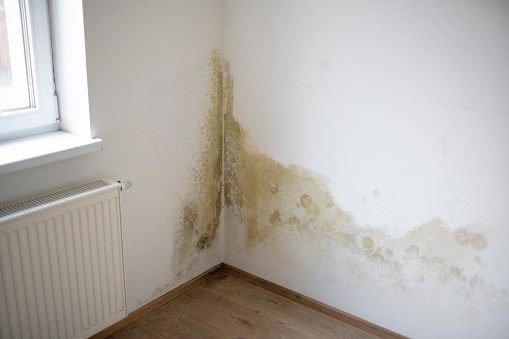
Mold is often a secondary problem that follows a water loss.
Xtreme provides mold assessment and remediation after:
- Plumbing leaks
- Pipes that froze and burst
- Appliance and water heater failures
- Roof leaks and ice dams
- Flooding and snowmelt intrusion
- Incomplete drying after an earlier loss
Water rarely stays where it first appears. It can travel into:
- Wall cavities
- Insulation
- Flooring and subflooring
- Cabinet bases
- Framing
- Ceiling assemblies
When mold follows water damage, both the contamination and any remaining moisture have to be dealt with.
Xtreme can coordinate mold remediation with moisture detection, structural drying and other water-damage services.
Basement & Crawl-Space Mold
Crawl spaces and basements are some of the most common places mold develops in rural Lincoln County homes, particularly after spring runoff raises groundwater.
Conditions we look for include:
- Groundwater or snowmelt intrusion
- Poor drainage around the foundation
- Plumbing leaks
- Condensation
- Exposed soil or a damaged vapor barrier
- High humidity
- Past flooding
Materials that may be affected include:
- Floor joists
- Subflooring
- Rim joists
- Insulation
- Foundation walls
- Framing
- Stored belongings
- Finished rooms above or beside the space
Cleaning the visible growth is only part of the job.
We also want to know why the space stayed damp enough to support it.
Attic and Roof-Related Mold
Long, cold Eureka winters can create moisture problems above the living space, too.
Attic conditions we evaluate may involve:
- Roof leaks
- Ice dams
- Frost buildup that melts in spring
- Warm, moist air leaking up from the house
- Inadequate ventilation
- Wet or compressed insulation
- Previous roof damage
Growth may appear on roof sheathing, rafters, trusses or other framing.
Where the mold appears can offer clues, but the moisture source still has to be identified before the problem can be addressed responsibly.
Cleaning an attic without understanding why it got wet leaves the most important part of the job unfinished.
Mold Inspections & Testing
Mold testing can be valuable when it has a clear purpose.
Xtreme inspects Eureka properties with:
- Visible growth
- Lingering musty odors
- Past water damage
- Suspected hidden mold
- Disputed conditions
- Existing mold reports
- Pending real-estate transactions
- Post-remediation verification needs
Visible mold does not automatically mean testing is required.
When the growth and its moisture source are already clear, a remediation scope can often be written without laboratory sampling.
Testing tends to be most useful when:
- Mold is suspected but not visible
- The extent of contamination is unclear
- Different parties disagree about conditions
- Existing reports conflict
- A property sale requires documentation
- Post-remediation verification is needed
Mold Clearance Testing
Clearance testing happens after remediation and final cleaning are complete.
Depending on the project, post-remediation verification can include:
- Detailed visual inspection
- Moisture readings
- Moisture verification
- Review of cleaned materials
- Air sampling
- Surface sampling
- Comparison with established project criteria
Its purpose is to document the condition of the finished work area.
If independent third-party verification is requested or required, Xtreme can coordinate with a separate qualified provider.
Commercial & Managed Properties
In addition to homes and cabins, Xtreme provides mold remediation for commercial and managed properties in Eureka.
Projects may involve:
- Long-term rental homes
- Seasonal and vacation rentals
- Offices
- Retail spaces
- Commercial buildings
- Multi-unit buildings
These jobs often require additional coordination around:
- Occupant access
- Work schedules
- Containment
- Property management
- Building operations
- Communication with multiple parties
We base the remediation scope on the physical condition of the building while working around how it is used and accessed.
Where Mold Hides and Why It Can Return

Hidden Mold Damage
The growth you can see on a finished surface may be only part of the problem.
Moisture often reaches enclosed areas well before staining appears.
Areas that may need a closer look include:
- Behind drywall
- Behind baseboards
- Beneath carpet
- Under carpet cushion
- Under vinyl flooring
- Beneath laminate flooring
- Beneath wood flooring
- Behind cabinets
- Behind toe kicks
- Inside wall cavities
- Above ceilings
- Within wet or compressed insulation
- Behind wallpaper and wall coverings
- Log wall joints and chinking
- Attic roof sheathing
- Attic framing
- Basement assemblies
- Crawl-space framing
- Around windows
- Along exterior walls
- Near plumbing penetrations
- HVAC drain pans and components
- Behind furniture against cold exterior walls
- Areas with repeated condensation
A musty smell is a good reason to look further, but odor alone does not show where a problem starts or how far it extends.
We rely on:
- Visual conditions
- Moisture readings
- Property history
- Known leak locations
- Building layout
to decide where further investigation is justified.
We don’t open walls at random because a room smells damp.
The evidence determines where we look.
Mold Inspections, Testing & Clearance
A good mold inspection answers specific questions about the property.
Is Mold Visibly Present?
Visible growth identifies one area of concern, but surrounding materials may still need to be checked.
Where Is the Moisture Coming From?
Possible sources include plumbing, roofing, drainage, a crawl space, condensation or a past water loss.
Are Materials Still Wet?
Moisture readings show whether affected materials are still holding elevated moisture.
How Far Does the Problem Extend?
Growth can continue behind walls or under flooring even when only a small area is visible.
Would Sampling Help?
Testing should produce information that changes the project or documents a condition.
A typical inspection can include:
- Visual review of affected areas
- Examination of surrounding materials
- Moisture readings
- Review of likely moisture pathways
- Evaluation of previous water damage
- Limited investigation behind accessible finishes
When sampling is appropriate, Xtreme can collect air or surface samples for laboratory analysis.
Testing is especially helpful when:
- Conditions may be hidden
- The scope is disputed
- Previous reports disagree
- A real-estate transaction is involved
- Clearance documentation is needed
Post-remediation clearance testing can include visual inspection, moisture verification and air or surface sampling based on criteria established for the project.
Schedule a mold inspection or ask whether testing makes sense for your Eureka property.
Our Mold Remediation Process
No two properties are the same.
Conditions can also change as finishes come off and hidden areas are exposed.
Details may shift during the project, but the overall process stays organized:
Understand the moisture history. Inspect the building. Control the work area. Remove or clean affected materials. Dry the structure. Verify the result.
1. Project Intake and Moisture History
We start with what you already know about the property.
We ask about:
- What you can see
- What you can smell
- Previous leaks
- Flooding or snowmelt problems
- Frozen or burst pipes
- Roof problems
- Past repairs
- Existing mold testing
- Previous remediation
That history tells us where to focus the inspection.
2. Inspection and Moisture Assessment
We inspect visible mold, suspected areas and nearby building assemblies.
Moisture readings are taken where appropriate.
We also trace likely moisture pathways to see whether the problem extends beyond what is visible.
Limited investigation behind accessible finishes may be recommended when conditions justify it.
3. Sampling, Results and Written Scope
When laboratory testing will help define the project, air or surface samples can be collected and sent for analysis.
The remediation scope is then built from:
- Inspection findings
- Moisture conditions
- Building materials
- Observed contamination
- Relevant laboratory results
More samples do not automatically make a better inspection.
A useful sample is collected for a specific reason.
4. Containment and Air Control
Before mold-affected materials are disturbed, the work area is separated from the rest of the property.
Depending on the project, controls may include:
- Critical barriers
- Containment walls
- Negative-air pressure
- HEPA-filtered air equipment
- Controlled entry
- Decontamination areas
The level of containment depends on the size and location of the work.
5. Contents Protection and Material Removal
Furniture, belongings and other contents may need to be:
- Protected
- Covered
- Cleaned
- Relocated
Mold-affected porous materials that cannot reasonably be restored may require controlled removal.
Depending on the project, that can include certain:
- Drywall
- Insulation
- Carpet
- Carpet cushion
- Flooring
- Other porous finishes
We don’t automatically remove everything near the mold.
Each decision depends on the material, its condition and the extent of contamination.
6. Detailed Cleaning and HEPA Vacuuming
Materials that remain in the work area are cleaned using methods suited to the surface and conditions.
Settled dust and debris are physically removed.
HEPA vacuuming and detailed cleaning are completed throughout the controlled area as appropriate.
The goal is remediation, not a change in appearance.
Paint, coatings and fogging are not substitutes for properly cleaning or removing affected material.
7. Drying and Moisture Verification
The structure has to be dry before the project is considered complete.
Affected materials are checked against the moisture goals set for the project.
Any unresolved:
- Plumbing leak
- Roof problem
- Drainage issue
- Groundwater or snowmelt condition
- Condensation
- Elevated humidity
needs to be documented and addressed.
Otherwise, the conditions that supported the original growth may continue.
8. Final Inspection and Mold Clearance Testing
Once removal, cleaning and drying are complete, the work area is inspected again.
The final review may include checking for:
- Visible mold
- Dust
- Debris
- Elevated moisture
- Musty odors
- Conditions inconsistent with project goals
When clearance testing is included, air or surface samples can be collected and compared with the criteria established for the project.
What Affects the Cost of Mold Remediation in Eureka?
Visible square footage only tells part of the story.
Ten square feet of mold on an open, accessible wall can be a very different job from ten square feet located:
- Behind kitchen cabinets
- Under finished flooring
- Inside a wall cavity
- Above a ceiling
- Within an attic or crawl space
Factors that can affect the mold-remediation scope include:
- Location of the affected area
- Accessibility
- Visible extent of mold growth
- Suspected hidden growth
- Moisture source
- Required moisture repairs
- Type of affected materials
- Condition of affected materials
- Containment requirements
- Negative-air requirements
- Contents moving or cleaning
- Amount of demolition
- Material removal
- Disposal
- HEPA filtration
- Detailed cleaning
- Structural drying
- Moisture monitoring
- Inspection services
- Laboratory analysis
- Clearance testing
- Occupied areas
- Sensitive work areas
- Repairs and reconstruction
We explain why any inspection or testing service is being recommended before it is added to the scope.
Additional samples do not automatically make an inspection better.
Testing is most useful when the location and purpose of each sample help answer a specific question about the property.
Why Choose Xtreme for Mold Remediation in Eureka?
Mold remediation is easy to oversell.
Some contractors lean on alarming language without explaining what is happening in the building. Others spray a treatment, take a photo and call the job done.
Xtreme focuses on the property itself.
We want to understand:
- Where the moisture came from
- Which materials are affected
- Whether damage may be hidden
- How the work area should be contained
- What can be cleaned
- What needs to be removed
- Whether the building is dry
- What needs to happen before repairs begin

Moisture First
We look for the leak, drainage problem, condensation, humidity or other moisture source behind the growth.
Visible staining is never treated as the whole problem.
Containment Before Demolition
Containment and air controls go up before affected materials are disturbed.
That keeps remediation dust and debris inside the controlled area instead of spreading into the rest of the home or building.
Removal, Not Cosmetic Cover-Up
Materials are cleaned or removed based on their condition.
Paint, sealants, new finishes and fogging do not replace physically cleaning or removing mold-affected material when remediation is needed.
Inspection Through Clearance
Xtreme can manage the project from the first assessment through final verification.
Services can include:
- Mold inspection
- Moisture assessment
- Sampling when appropriate
- Written remediation scope
- Containment
- Material removal
- Detailed cleaning
- Drying
- Moisture verification
- Post-remediation clearance testing
When independent third-party verification is requested or required, we can coordinate with a separate qualified provider.
Testing With a Purpose
Testing may be appropriate when the results will help:
- Investigate suspected hidden mold
- Determine the extent of a problem
- Clarify conflicting reports
- Document conditions for a property transaction
- Verify completed remediation
Testing should answer a question.
It should not simply make the project bigger.
Mold Remediation Starts at the Water Source
Mold is usually what gets noticed, but something else almost always came first.
Common causes include:
- A leaking or frozen pipe
- An appliance failure
- Roof damage or ice dams
- A wet crawl space
- Flooding or spring runoff
- Groundwater intrusion
- Poor drainage
- Condensation
- Incomplete structural drying
Removing growth without correcting the water problem leaves the same conditions in place.
Cleaning mold while the source is still active is like repainting a water stain while the leak above it keeps dripping.
It may look better for a while.
The building problem is still there.

Mold Inspections and Clearance Testing for Eureka Real Estate
Mold concerns can complicate a real-estate transaction quickly, especially with older homes, cabins and rural properties.
A buyer may notice a stain.
A seller may believe it came from an old leak that was fixed years ago.
A home inspector may flag elevated moisture in a crawl space or attic.
A previous mold report may contain laboratory results that are hard for everyone to interpret.
A useful mold inspection documents what is actually happening at the property.
That documentation can include:
- Areas inspected
- Visible mold
- Moisture readings
- Previous water damage
- Suspected moisture sources
- Areas requiring further investigation
- Whether sampling is appropriate
- Existing mold reports
- Existing remediation information
When remediation is completed, clearance testing can provide additional documentation about the condition of the treated work area.
Xtreme works with:
- Property owners
- Buyers
- Sellers
- Real-estate agents
- Rental-property owners
- Property managers
We can inspect Eureka properties, review existing reports, establish remediation scopes, complete the remediation and provide post-remediation clearance testing.
Xtreme provides building-assessment and remediation information. We do not provide medical diagnoses, legal advice or guarantees about a property’s future value. Property owners and transaction participants should consult the appropriate licensed professionals for those questions.
Frequently Asked Questions About Mold in Eureka
Yes, a few. Much of the plumbing in a manufactured home runs through the underbelly, the insulated belly wrap beneath the floor. When a supply line freezes during a Tobacco Valley cold snap or a drain fitting works loose, water can collect inside that wrap where no one sees it, soaking the insulation and the floor decking above.
Torn belly wrap, blocked skirting vents and bare soil under the home add even more moisture. Soft spots in the floor, a musty smell near the bathroom or kitchen, or belly wrap that sags or bulges are all good reasons to have the underside of the home inspected.
Growth slows in extreme cold, but the moisture that feeds it keeps building. During long cold stretches, warm, humid air escaping from the living space through light fixtures, attic hatches and plumbing penetrations can freeze as frost on the underside of the roof sheathing and on nail tips.
When temperatures climb in late winter or spring, that frost can melt quickly, soaking sheathing and insulation and sometimes dripping onto ceilings in a way that looks like a roof leak. Dark staining around nail tips or widespread darkening of the sheathing on the colder, north-facing side of the roof are common signs.
It can. As snow melts across the Tobacco Valley, groundwater rises and surface water moves toward low spots around foundations. Homes on low ground or near the Tobacco River and the creeks that feed it may see water seep into the crawl space for several weeks before it recedes.
Even after standing water disappears, soil, framing and insulation can stay damp well into summer. Checking the crawl space during peak runoff in late spring gives the most accurate picture of whether water is getting in and how high it reaches.
Yes. Much of the vermiculite insulation installed in homes across the country came from the mine near Libby, and some of it is contaminated with asbestos. If mold is found in an attic or wall cavity containing vermiculite, that insulation should not be disturbed by a homeowner or a mold contractor until it has been evaluated by an appropriately licensed asbestos professional.
Any asbestos-related work needs to be completed under the applicable requirements before mold-affected materials in that area are removed. Lincoln County residents also have access to local resources for questions about vermiculite in their homes.
Not necessarily. Surface mold and mildew on logs, often in the upward-facing checks (cracks), on shaded north and east walls or where roof runoff splashes back against the bottom courses, tells you the wood is staying wet. Rot is different: the wood loses strength and becomes soft or crumbly.
Both start with moisture, so the important questions are why the logs are staying wet and whether the finish is still shedding water. Moisture readings and a closer look at suspect areas can help tell surface growth apart from deeper damage that may need a log-home specialist.
Start with your nose. A strong musty smell when you first walk in suggests moisture built up while the cabin sat closed. Then check under sinks, around the water heater and toilet supply lines, and along ceilings for staining, especially if the heat was turned down or off.
Look at window sills and the backs of closets on exterior walls, where condensation tends to collect, and check the crawl space for water from spring melt. If a line froze and leaked for weeks before anyone arrived, materials may have stayed wet long enough for growth to begin, even if everything looks dry by the time you open up.
Need a Mold Inspection or Clearance Test in Eureka?
Tell us what you see, smell or need to verify. Xtreme can inspect your property, collect samples when they are useful, lay out a remediation scope and complete post-remediation clearance testing.
We will tell you what the project actually needs, even when the honest answer is that another round of testing won’t help.
