



Homeowners in Kalispell, MT, may assume that once standing water is removed and a room looks dry, the water damage is resolved. However, moisture can remain hidden behind walls, beneath flooring, inside cabinets, or within insulation long after visible water is gone. When moisture remains in these areas, it can create conditions that allow mold growth to develop.
Recognizing the early warning signs can help you address moisture problems before they become more extensive. At Xtreme Restoration and Carpet Cleaning, we help homeowners identify hidden moisture after water damage through professional inspection, water extraction, structural drying, and moisture monitoring. When mold growth is present or suspected, professional mold remediation may also be necessary.
Musty or Earthy Odors
A persistent musty or earthy odor can be an important warning sign that moisture or mold may be present somewhere in your home. In some cases, the smell can become noticeable before visible mold appears, particularly when moisture is trapped in areas that are difficult to access.
In Kalispell homes, odors may originate from basements, crawl spaces, areas behind drywall, carpet and carpet padding, cabinets, or other enclosed spaces affected by water. If the smell continues after the visible water has been removed and the area has been cleaned, there may still be moisture that needs to be located.
Air circulation or opening windows may temporarily reduce the odor, but that does not necessarily address the source. A professional inspection can help determine whether hidden moisture or another condition is contributing to the persistent smell.
Visible Spots or Discoloration
Visible spots or discoloration can be another indication that moisture problems have progressed. Mold may appear in different colors and textures, depending on the species and surface where it is growing. Areas around baseboards, drywall, ceilings, flooring, grout, and other moisture-affected materials may deserve closer attention.
Small Spots Can Signal a Larger Problem
A small visible area does not necessarily mean the problem is limited to what you can see. Moisture can travel through porous building materials and into areas behind or beneath finished surfaces. As a result, cleaning a visible spot may not address the moisture source or any growth that may exist elsewhere.
If discoloration appears after a water loss, it is important to determine whether the affected materials are actually dry. Professional restoration teams can use moisture readings and other inspection methods to identify areas that may need additional attention rather than relying only on how dry a surface feels.
Damp or Discolored Walls
Walls that remain damp, cool, stained, or soft after a water incident may indicate that moisture is still present inside the building materials. Water can move behind drywall, into insulation, along framing, and into wall cavities even when the visible surface appears relatively normal.
Yellow or brown water stains may also develop as materials dry or as moisture continues to affect the area. These signs should not automatically be treated as proof of mold, but they can indicate that further moisture assessment is warranted.
Drywall and insulation can retain moisture longer than the surrounding room appears wet. Professional water damage restoration focuses on identifying affected materials and verifying their moisture conditions rather than simply waiting for the surface to feel dry.
Peeling, Bubbling, or Cracking Paint
Paint and wallpaper can react to moisture trapped underneath them. Bubbling, peeling, cracking, or separating finishes may indicate that water has affected the wall or ceiling behind the surface.
This type of damage can sometimes be mistaken for ordinary aging, particularly when there are no obvious puddles or active leaks. However, if the changes appeared after a water loss, they should be investigated before the area is simply repainted.
Covering damaged paint without addressing the underlying moisture can leave the source of the problem unresolved. Identifying and drying affected materials first can help determine whether additional restoration or mold remediation is necessary.
Increased Indoor Humidity
Elevated indoor humidity can increase the potential for mold growth, particularly when moisture has already entered building materials. Homeowners may notice condensation on windows, a clammy feeling indoors, or moisture collecting on cold surfaces.
High humidity alone does not prove that hidden water damage exists. However, if humidity remains elevated after a water incident, it is worth determining whether moisture is still present in the affected area.
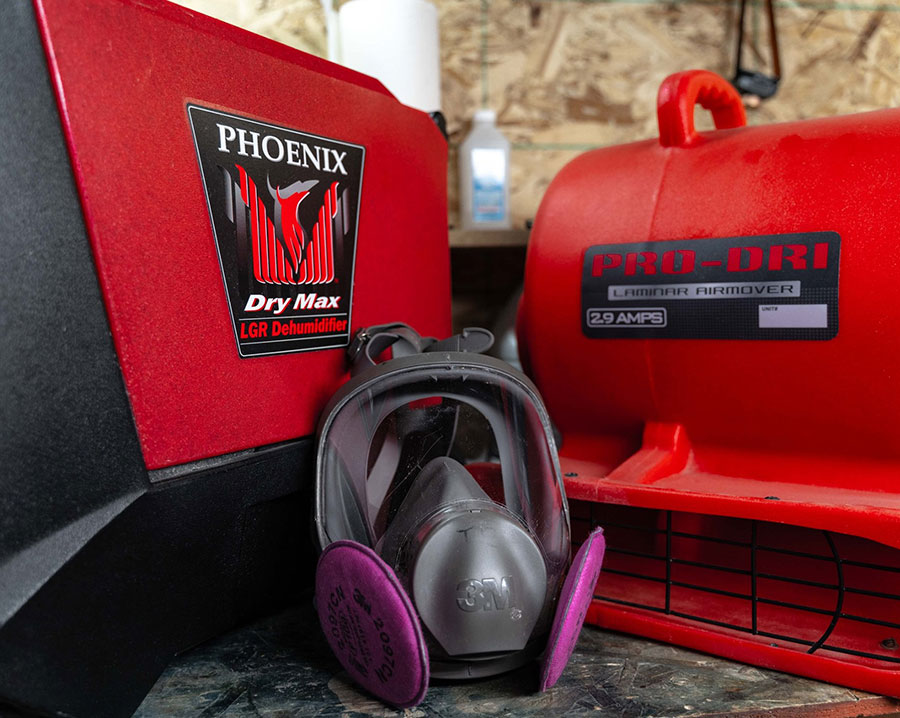
Professional structural drying may involve air movers, dehumidification equipment, moisture monitoring, and adjustments based on the conditions of the building. This approach helps address moisture that may remain after standing water has been extracted.
Recurring or Unexplained Moisture Problems
Water stains, dampness, or musty odors that repeatedly return in the same location can indicate that the original moisture source has not been fully addressed. Possible causes may include plumbing leaks, roof problems, drainage issues, foundation water intrusion, or inadequate ventilation.
Simply repainting a stained wall or replacing damaged flooring may temporarily improve the appearance while leaving the underlying moisture problem unresolved. If water continues to enter or accumulate in an area, mold growth may become a greater concern.
Professional water damage restoration begins by determining where the water came from and how far it traveled. Moisture mapping and direct material readings can help identify affected areas that are not obvious from a visual inspection.
Why Professional Mold Remediation Matters
Recognizing potential warning signs is an important first step, but determining the full extent of a moisture or mold problem can require professional assessment. Water can move beneath flooring, behind baseboards, inside wall cavities, through insulation, and into other building assemblies that are difficult to inspect visually.
Professional restoration focuses on identifying the source of moisture, removing standing water when necessary, drying affected materials, and monitoring conditions until appropriate drying goals are reached. When mold is present, specialized remediation may be required to address the affected areas safely and reduce the possibility of continued growth.
At Xtreme Restoration and Carpet Cleaning, water damage restoration includes water extraction, structural drying, moisture mapping, dehumidification, monitoring, and final drying verification. The company uses moisture readings to verify material conditions rather than assuming a surface is dry simply because it looks or feels dry.
This measured approach is especially important after significant water damage because hidden moisture can remain inside building materials after visible water has been removed.
Protect Your Kalispell Home Before Mold Spreads
Musty odors, visible discoloration, damp or stained walls, damaged paint, elevated humidity, and recurring moisture are all signs worth taking seriously after water damage. None of these signs alone proves that mold is present, but each can indicate that further inspection may be worthwhile.
Addressing water damage promptly can help limit the amount of time building materials remain wet and reduce the conditions that support mold growth. Professional water extraction and structural drying can also help identify moisture that would otherwise remain hidden.
If you have experienced water damage or noticed signs of lingering moisture in your Kalispell home, Xtreme Restoration and Carpet Cleaning can help assess the affected areas and determine the appropriate next steps. Contact the team today to request professional help with water damage restoration, drying, or potential mold concerns.