




Mold Starts With Moisture, Not Dirt
Mold does not mean a property simply needs stronger cleaning products. It means moisture reached a material and remained there long enough to create favorable conditions for growth.
Xtreme Restoration & Carpet Cleaning provides mold inspections, professional remediation, moisture assessment and clearance testing in Whitefish for homes, vacation properties, rentals and commercial buildings.
We begin by identifying what is happening in the building instead of assuming every project needs the same treatment.
That evaluation may include:
- Visual inspection
- Moisture readings
- Review of previous leaks
- Limited investigation
- Targeted mold sampling when appropriate
Our objective is to determine the moisture problem, define the affected area and perform remediation under controlled conditions.
A roof leak, frozen pipe, plumbing failure, condensation issue or wet crawl space must be addressed along with the mold. Otherwise, the condition supporting the growth remains in place.
Avoid Disturbing Mold-Affected Building Materials
Do not tear into drywall, insulation, carpet or other materials with visible mold unless appropriate controls are in place.
Cutting or removing contaminated material can release settled particles into surrounding areas.
Avoid painting over visible mold or covering it with new material. The appearance may change while the underlying condition remains.
MOLD INSPECTION & REMEDIATION SERVICES
Xtreme provides:
- Visual mold inspections
- Moisture mapping
- Moisture assessment
- Targeted air and surface sampling
- Containment
- HEPA filtration
- Professional remediation
- Clearance testing
We inspect the building and look for the condition supporting the mold rather than treating visible staining as the entire problem.
After remediation, verification may include visual inspection, moisture confirmation and air or surface sampling when appropriate.

MOLD REMEDIATION FOR ANY TYPE OF WHITEFISH PROPERTY
Whitefish properties include year-round residences, vacation homes, rental properties and commercial buildings.
Those different uses can create different mold scenarios. A leak in an occupied home may be noticed immediately, while a seasonal or intermittently occupied property can remain wet for longer before someone discovers it.
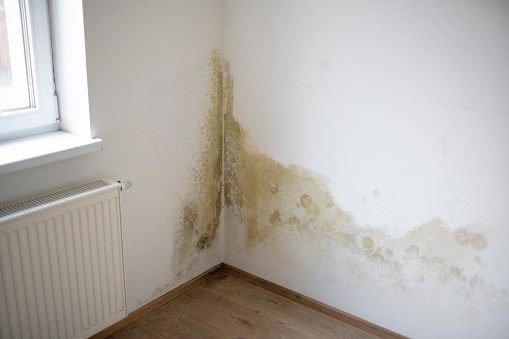
Mold After Water Damage
We address mold associated with:
- Broken or frozen pipes
- Appliance leaks
- Roof leaks
- Ice dams
- Flooding
- Incomplete drying
Basement & Crawl-Space Mold
Crawl spaces and lower levels can be affected by:
- Ground moisture
- Poor drainage
- Condensation
- Plumbing leaks
- Elevated humidity
- Exposed soil
Attic & Roof-Related Mold
Whitefish winters can reveal problems involving roof leaks, ice dams, warm-air leakage and condensation.
Attic remediation is most effective when the moisture mechanism is identified along with the growth.
Hidden Mold in Whitefish Homes & Buildings
Mold may develop in locations that are not visible from the living space.
Common inspection areas include:
- Wall cavities
- Ceiling cavities
- Behind baseboards
- Behind cabinets
- Beneath finished flooring
- Carpet cushion
- Attic framing
- Roof decking
- Crawl-space framing
- Wet insulation
- Around windows
- Exterior wall areas
- Plumbing penetrations
- Mechanical areas
- HVAC drain components
A smell can indicate that a moisture problem exists, but it cannot identify the exact location.
We use the property history, moisture readings and visual conditions to decide where further investigation is justified.
WHERE MOLD HIDS IN BIGFORK PROPERTIES

Testing should have a purpose.
It can help when:
- Mold is suspected but not visible
- The affected extent is uncertain
- Existing reports disagree
- A real-estate transaction requires documentation
- Clearance verification is needed
Testing is not always necessary when the mold and moisture source are already obvious.
When sampling is appropriate, Xtreme can collect air or surface samples for laboratory analysis.
Our Mold Remediation Process
- Project intake and moisture history
- Inspection and material moisture readings
- Sampling and written scope when appropriate
- Containment and controlled airflow
- Contents protection and removal of unsalvageable materials
- Detailed cleaning and HEPA vacuuming
- Drying and moisture verification
- Final inspection and clearance testing when required
This sequence keeps the project focused on the building conditions rather than simply treating a visible stain.
What Determines the Cost?
Mold remediation pricing depends on much more than square footage.
Important factors include:
- Accessibility
- Hidden growth
- Water source
- Type of building material
- Amount of demolition
- Containment requirements
- Negative-air setup
- Contents handling
- Drying requirements
- Laboratory services
- Clearance testing
- Reconstruction needs
We explain the reasons behind the scope instead of adding testing or demolition without a clear project purpose.
WHY WHITEFISH PROPERTY OWNERS CHOOSE XTREME

We Look for Moisture First: Removing mold without finding the water problem is incomplete work.
We Contain Before We Disturb: Containment and air control are established before demolition or aggressive cleaning begins.
We Remove What Cannot Be Restored: Mold-affected materials are cleaned or removed based on their condition rather than covered up cosmetically.
We Handle the Project From Inspection Through Clearance: Xtreme can inspect, remediate and provide post-remediation verification.
We Test When Testing Answers a Question: Sampling is used strategically rather than automatically.
Mold and Water Damage Are Often Part of the Same Problem
A roof leak, ice dam, plumbing failure or wet crawl space can create the moisture conditions that eventually lead to mold.
Remediation is more effective when both sides of the problem are addressed.

Whitefish Real-Estate Mold Inspections
Mold concerns can complicate property sales, vacation-home purchases and rental transactions.
We work with:
- Buyers
- Sellers
- Owners
- Property managers
- Agents
A useful inspection documents what was observed, what materials were evaluated and whether additional testing or investigation is recommended.
After remediation, clearance testing can document the condition of the treated area.
Xtreme provides building-assessment and remediation information, not medical diagnoses, legal advice or guarantees about future property value.
Frequently Asked Questions About Mold in Whitefish
It can be. Ski boots, gloves, jackets and towels drying in a small condo add a lot of moisture to the air, and mudrooms and entry closets often have little ventilation. Over a season, that humidity can lead to growth on closet walls, behind boot racks and around entry doors.
Use boot dryers with good airflow, run a dehumidifier or bath fan during ski season and avoid packing damp gear into closed closets.
Yes, if the room is not built and ventilated for it. Steam showers and saunas create very high humidity that can push moisture into walls and ceilings if the vapor barrier, waterproofing or exhaust fan is not right.
Staining on the ceiling outside the steam room, peeling paint nearby or a musty smell after use are signs moisture is escaping. The fix often involves both remediation and correcting how the room was built.
Over a winter, it adds up. Snow and slush melting off vehicles can leave standing water on the garage floor that drains toward walls or under the door to the house. If the bottom of the drywall, the framing or a shared wall with the living space stays damp, growth can start there.
Squeegee standing water toward a drain, keep the base of the walls dry and check for swelling or staining at the bottom of garage walls and the wall shared with the home.
Remote owners are most at risk from leaks that run undetected. Water-leak sensors with phone alerts, a smart thermostat that warns of low temperatures and an automatic water shutoff valve can catch problems in hours instead of weeks.
Pair that with regular walk-throughs by a property manager, and ask them to report any musty smell, stains or condensation on windows right away.
Low-lying properties near the lake or river can see groundwater rise during spring runoff. That can push moisture into crawl spaces and basements through the soil and foundation, even without visible flooding.
A dehumidifier, a properly installed vapor barrier and good drainage help. If the lower level smells musty each spring, moisture readings can show where the water is coming in.
Homes higher up toward the mountain often carry heavy snow for months, which raises the risk of ice dams and condensation in the attic. Warm air escaping into the attic melts snow from below, and the meltwater refreezes at the eaves and backs up under the roofing.
Long icicles, ice ridges and ceiling stains along exterior walls are warning signs. Air sealing and ventilation are usually part of the long-term fix.
Need a Mold Inspection or Clearance Test?
Let us know what you’re seeing, smelling or trying to verify. We will fully inspect your property, collect samples when useful, prepare a remediation outline and complete post-remediation clearance testing.
We’ll tell you what the project truly needs, even if the answer is that another round of testing can’t help.
