



A house fire can release a lot of smoke, ash, and soot into the air. This can make the environment dirty and pose serious health risks. The smoke and soot can stay on surfaces and in the air for a long time.
This soot and smoke can cause a lot of damage to Montana property and your health. It’s important to know how long soot stays in the air after a fire. Things like how well the area is ventilated, how intense the fire was, and what materials were burned affect how long soot stays in the air.
Key Takeaways
- Soot and smoke residue from a house fire can contaminate the environment and pose health risks.
- The duration of soot in the air is influenced by factors like ventilation and fire intensity.
- Understanding the duration of soot is key to preventing property damage and health issues.
- Quick action is needed to deal with soot contamination after a house fire.
- Checking the air quality after a house fire is important to see how dirty it is.
Understanding Montana Soot: Composition and Behavior After a Fire
It’s key to know what soot is and how it acts after a fire to keep air clean indoors. Soot is a fine, greasy stuff mostly made of carbon.
Soot can stay in the air for a long time, posing health risks. Being around soot can cause breathing problems like asthma.
Composition of Soot
Soot is mainly carbon from fires that didn’t burn fully. What it’s made of can change based on the fire and materials.
- Carbon particles
- Other combustion byproducts
- Potential volatile organic compounds (VOCs)
Behavior of Soot After a Fire in Montana
After a Montana fire, soot can spread and dirty surfaces and air. How soot moves in the air depends on size, air flow, and other stuff in the air.
- Soot can leave a hard-to-clean residue on surfaces.
- Air flow can spread soot around a building.
- The size of soot particles affects how long they stay in the air and can be breathed in.
Knowing how long soot stays in the air is important for cleaning up. The time soot stays in the air changes based on several factors.
How Long Does Soot Stay in the Air After a Montana House Fire?
Soot in the air after a fire depends on several factors. It can stay airborne, posing health risks. It needs a thorough cleanup.
Chemicals from soot keep releasing into the air for weeks. But, they will decrease over time.
Impact of Fire Size and Ventilation in Montana
The fire’s size and the house’s ventilation are key. A bigger fire means more soot, lasting longer in the air.
Poor ventilation makes soot stay longer. Good ventilation helps reduce this problem.
Managing soot fallout and purifying the air are important. Some ways to do this include:
- Opening windows for ventilation
- Using HEPA air purifiers
- Cleaning surfaces thoroughly
Knowing what affects soot’s duration helps. Using effective strategies can lessen soot’s impact after a fire.
Health Impacts and Cleanup Considerations in Montana
Soot in the air after a fire can be harmful, mainly for those with breathing problems. It can make airways and lungs sore, worsening conditions like asthma. Knowing the health risks and how to clean up is key to avoiding soot exposure.
Health Risks Associated with Soot Exposure
Soot can cause many health problems, including:
- Respiratory issues, like asthma attacks or chronic coughing
- Heart problems, as the tiny particles can harm heart function
- Skin and eye irritation from direct contact with soot
These risks highlight the need for careful cleanup.
Safe Cleanup Practices
To clean up soot safely and well:
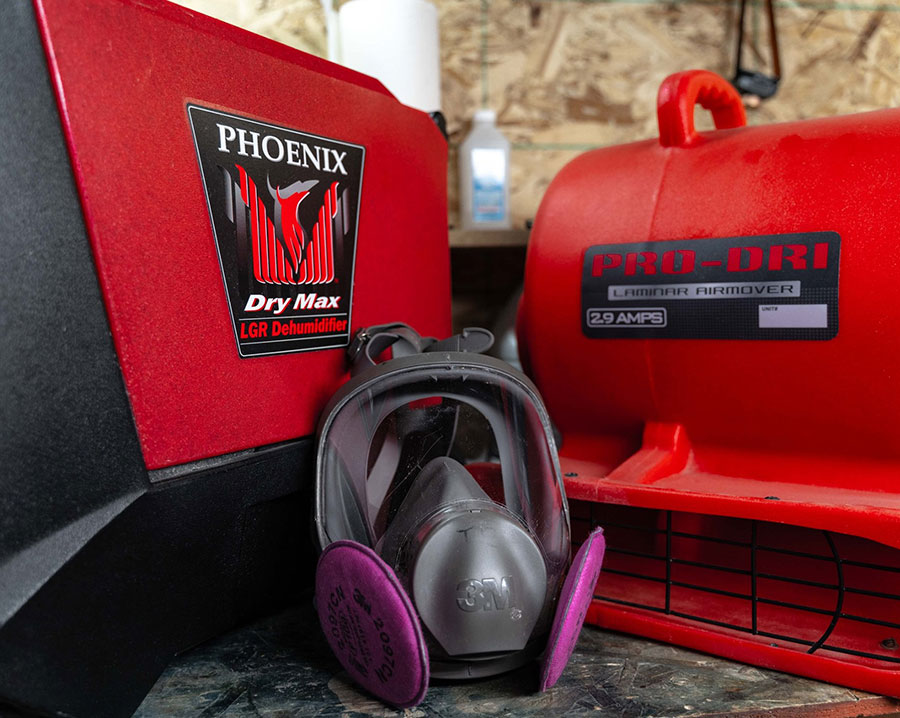
- Wear protective gear, like masks, gloves, and goggles, to reduce exposure.
- Choose the right cleaning solutions that can remove soot without spreading it.
- Make sure there’s good air flow to stop soot particles from going back into the air.
For big soot damage and fire damage, getting help from professionals might be needed in Montana.
Conclusion
Knowing how long soot stays in the air after a fire is very important. Soot can stay around, causing health problems and damage to Montana homes. It’s essential to manage soot well to lessen these issues.
Understanding soot’s makeup and how it acts helps a lot. This knowledge lets people clean up safely and efficiently. It makes sure their Montana homes are restored properly.
The time soot stays in the air changes based on the fire and air movement. Knowing this helps in figuring out how to deal with soot. This way, we can reduce its harmful effects.
Revive & Refresh with Xtreme Restoration and Carpet Cleaning in Kalispell, MT
When water, fire, mold, or stains strike, Xtreme Restoration and Carpet Cleaning offers reliable damage restoration services, cleanup, and professional carpet care—fast, efficient, and thorough. Restore your space and breathe easier—book now here!